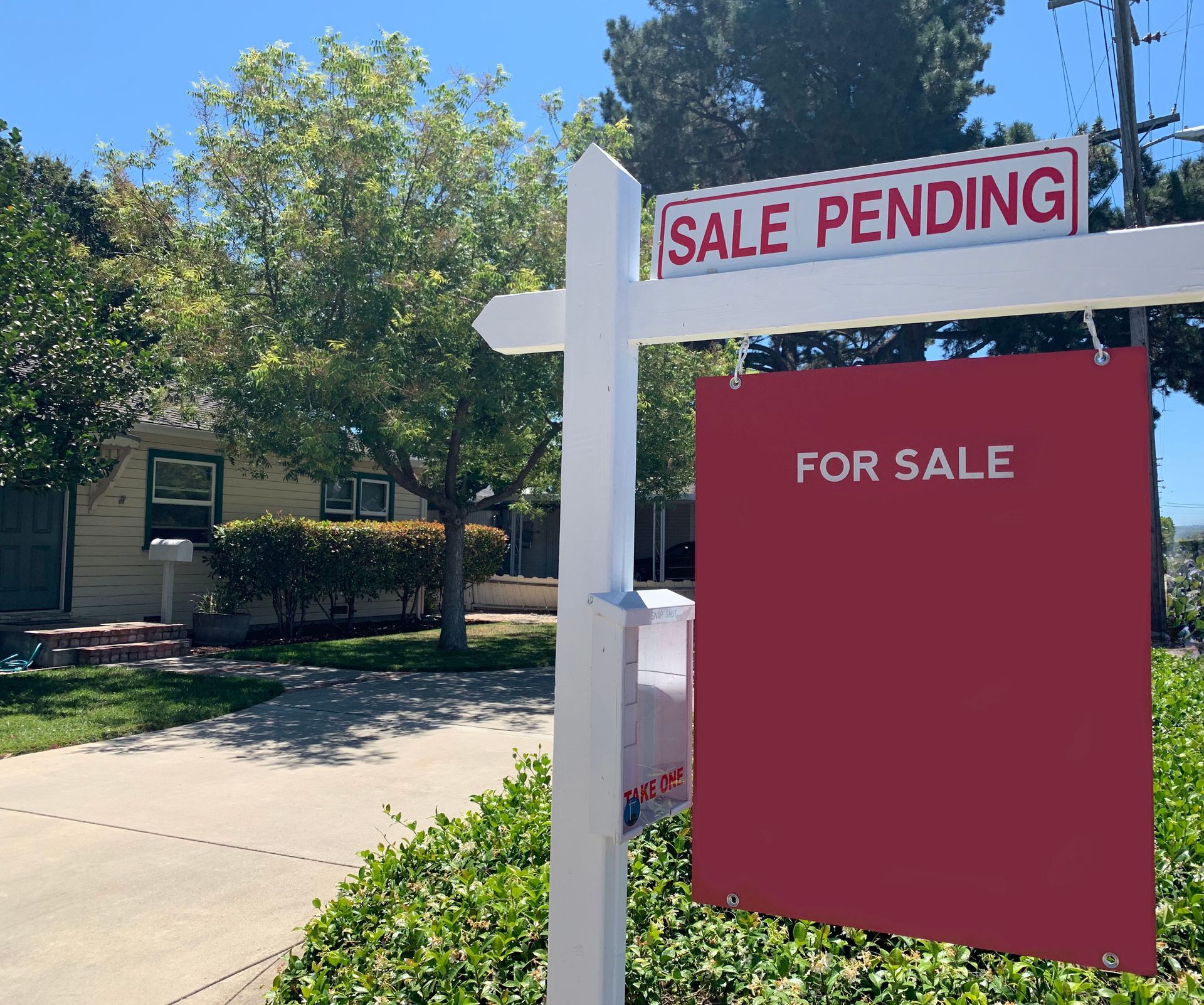
Buying or selling a home is often the most significant financial event in a person's life. Because of the vast sums of money involved and the complex legal requirements, these transactions require a high level of security and neutrality. This is where an escrow company enters the picture to safeguard the interests of everyone involved. By acting as an unbiased third party, they ensure that no money or property changes hands until every single condition of the real estate contract is fully satisfied. Understanding how this process works can transform a potentially stressful situation into a smooth, predictable, and secure experience.
For decades, navigating the closing process has required a steady hand and deep industry expertise. When you enter into a real estate agreement, you aren't just making a promise; you're entering a legally binding sequence of events that requires meticulous oversight. This intricate journey demands a reliable coordinator who understands the delicate balance between state regulations and local market expectations. An experienced team manages the intricate details, helping to clear property titles and pave the way for successful closings. Without this neutral stewardship, buyers and sellers would be left to navigate complex financial legalities on their own, leaving both parties vulnerable to unnecessary risks, delays, or fraud.
Discovering the Core Purpose of Escrow
To fully appreciate the closing process, you must first understand what an escrow company actually does during a typical property transfer. Essentially, they serve as a secure clearinghouse for all funds, documents, and instructions necessary to complete the sale. When a buyer makes an offer on a home, they provide earnest money to show the seller they're acting in good faith. Instead of giving this money directly to the seller, the funds are deposited into a neutral account managed by the escrow company, where they remain securely protected until the final paperwork is signed.
This neutral setup creates a secure environment where neither side can take unfair advantage of the other. The seller knows the buyer has the financial capability to move forward, while the buyer knows their money is safe while they perform necessary due diligence. During this initial phase, the professional team begins organizing the necessary paperwork, reviewing contractual instructions, and preparing for the subsequent steps in the transaction. This foundational stage sets the tone for a transparent and highly organized closing experience.
Protecting the Financial Interests of Buyers
For the individual purchasing a home, utilizing an independent escrow company offers an indispensable layer of financial protection. The buyer is typically required to schedule inspections, secure a mortgage, and review property disclosures during the contingency period. If serious structural issues are discovered during the home inspection, or if the bank denies the loan application, the buyer may have the legal right to walk away from the deal and recoup their earnest money deposit.
Because a neutral escrow company holds the deposit rather than the seller, the buyer is guaranteed a fair and legal return of their funds if a contract contingency isn't met. Furthermore, the buyer can rest assured that their hard-earned down payment won't be disbursed to the seller until the deed is officially recorded at the county office. This prevents a fraudulent seller from taking the money and running, giving the buyer complete peace of mind that their financial investment is thoroughly protected until the keys are in their hand.
Safeguarding the Legal Rights of Sellers
Sellers benefit just as much from the structured oversight of an escrow company during a property transaction. When a seller takes their home off the market, they're risking valuable time and missing out on other potential buyers. They need absolute certainty that the buyer is fully committed and financially qualified to close the deal. By requiring the buyer to deposit earnest money into a neutral account, the seller receives a reliable guarantee of the buyer's serious intent.
As the transaction moves forward, the escrow company coordinates directly with the seller's mortgage holder to obtain accurate payoff amounts and facilitate lien releases. This ensures that all existing debts on the property are cleared simultaneously with the transfer of title. The seller receives confirmation that the buyer's loan has successfully funded before they sign away the deed to the property. This careful orchestration ensures the seller receives their net proceeds safely and efficiently, without any lingering financial or legal loose ends.
Balancing the Associated Costs of Closing
An essential part of any property transfer involves managing the various administrative costs and fees required to finalize the deal. According to Zillow, while buyers and sellers usually share escrow costs 50-50, the exact split can be customized through contractual negotiations. This standard practice reflects the balanced nature of the closing process, as both parties benefit equally from the protections and professional services provided by the neutral closing team.
During the preparation phase, the escrow company compiles a detailed accounting of all funds moving through the transaction, which is presented on a document known as a closing statement or net sheet. This breakdown details exactly who owes what, ensuring absolute transparency for both sides. Whether you're paying standard closing fees or negotiating a different cost-sharing agreement with the other party, having a professional team manage these calculations prevents mathematical errors and guarantees that every dollar is accounted for down to the penny.
Managing the Complex Final Paperwork
The final stretch of a real estate transaction involves an overwhelming amount of legal and financial paperwork that must be executed perfectly. An escrow company acts as the central hub for this documentation, coordinating seamlessly between real estate agents, loan officers, title insurers, and government recording offices. They ensure that loan documents are properly executed, closing disclosures are signed, and the new deed is accurately prepared for recording.
Operating with more than 50 years of experience helps a closing team anticipate potential paperwork bottlenecks before they cause costly delays. They review all incoming documents to verify that every contractual condition has been satisfied by both parties. Once everything is in order, they authorize the final transfer of funds and submit the deed to the county recorder's office. This final execution stage requires extreme precision, as even a minor typo on a legal document can disrupt the transfer of property ownership.
The escrow process isn't just a bureaucratic formality; it's the vital framework that makes safe real estate transactions possible. By maintaining absolute neutrality, managing secure trust accounts, and verifying that all contractual obligations are met, an escrow company provides the security and stability that modern buyers and sellers require. This professional oversight minimizes the risk of fraud, simplifies communication between multiple parties, and establishes a clear, legally sound audit trail for the entire transfer. Having a dedicated team of experts systematically review every detail ensures that no unexpected legal hurdles or financial discrepancies disrupt your path to ownership.
When you choose a closing partner with a long history of excellence and a dedication to quality service, you can approach your real estate goals with absolute confidence. Their localized knowledge acts as a protective shield for your investments, turning a complex timeline into an efficient, stress-free victory. Reach out to Freedom Escrow today for a consultation to see how over five decades of local experience can streamline your next real estate closing.